

Introduction
For many years, scientists believed that genetic inheritance was determined almost entirely by DNA sequences passed from parents to children. While genes remain central to inheritance, modern research has revealed that lifestyle and environmental factors can also influence how genes behave across generations.
This growing field of study is known as epigenetics.
Epigenetics examines how behaviors, diet, stress, toxins, and environmental exposure can modify gene activity without changing the actual DNA code itself.
These modifications, called epigenetic changes, can affect health, disease risk, metabolism, brain function, and even emotional responses.
One of the most important discoveries in epigenetics is that some lifestyle-related changes may not stop with one individual. In certain cases, these biological effects can be passed to future generations.
This means that unhealthy habits or environmental exposures experienced by parents may increase health risks for their children and grandchildren.
As scientists continue exploring the relationship between genetics and environment, epigenetics is changing how researchers understand inheritance, disease prevention, and long-term health.
This article explains how epigenetic changes turn lifestyle risk into inherited risk and why these discoveries are becoming increasingly important in medicine and public health.
What Is Epigenetics?
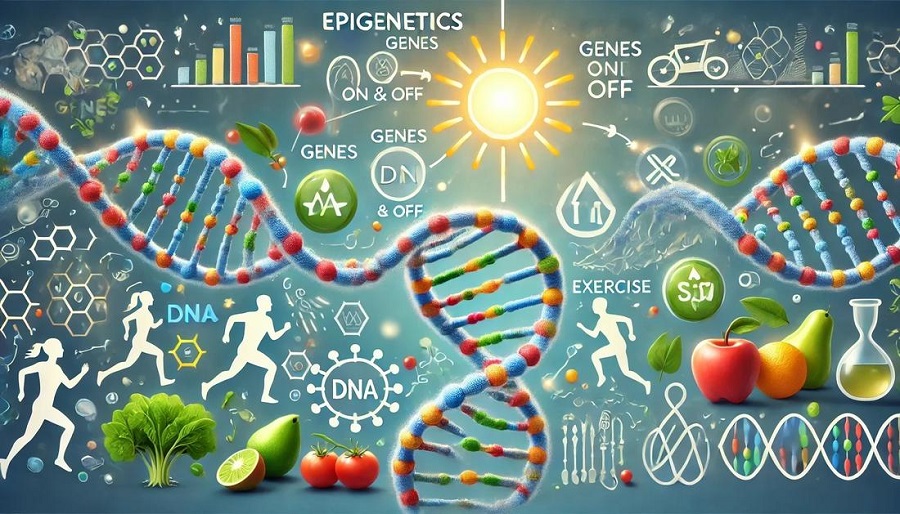
Epigenetics refers to biological mechanisms that influence how genes are turned on or off.
Every cell in the human body contains essentially the same DNA. However, different cells perform different functions because certain genes are activated while others remain inactive.
Epigenetic processes help control this activity.
These changes do not alter the genetic code itself. Instead, they affect how cells read and use genetic information.
The most common epigenetic mechanisms include:
- DNA methylation
- Histone modification
- Non-coding RNA activity
These mechanisms influence gene expression, meaning they regulate how strongly or weakly genes function.
Environmental and lifestyle factors can significantly affect these epigenetic patterns over time.
How Lifestyle Influences Gene Expression
Human biology constantly responds to external conditions.
Factors such as nutrition, physical activity, stress, sleep, pollution, smoking, and alcohol consumption can all influence epigenetic activity.
For example:
- Poor diet may affect genes related to metabolism and inflammation
- Chronic stress can influence hormone regulation and brain function
- Smoking may trigger epigenetic changes linked to cancer development
- Air pollution can alter genes associated with respiratory health
These lifestyle exposures may create long-term biological effects by changing how certain genes operate.
Unlike temporary physiological reactions, some epigenetic changes can remain stable for years.
In some situations, these changes may even affect reproductive cells, increasing the possibility of transmission to future generations.
DNA Methylation and Health Risk
DNA methylation is one of the most studied epigenetic processes.
This mechanism involves the addition of chemical groups called methyl groups to DNA molecules.
Methylation can reduce or silence gene activity.
When methylation patterns become abnormal, important genes may stop functioning properly.
For example:
- Tumor-suppressor genes may become inactive
- Metabolic regulation may weaken
- Immune system responses may change
- Inflammatory pathways may increase
Lifestyle behaviors can strongly influence methylation patterns.
Smoking, obesity, poor nutrition, chronic stress, and environmental toxins have all been associated with altered DNA methylation.
These changes may increase the risk of:
- Cancer
- Diabetes
- Cardiovascular disease
- Obesity
- Neurological disorders
Researchers now believe that long-term environmental exposure can leave measurable epigenetic marks throughout the body.
The Role of Histone Modification
Histones are proteins that help organize DNA within cells.
DNA wraps around histones like thread around a spool.
Chemical changes to histones can loosen or tighten DNA structure, affecting whether genes become active or inactive.
Lifestyle factors may influence histone behavior in several ways.
For example:
- Nutritional deficiencies may affect histone regulation
- Stress hormones can alter chromatin structure
- Toxic exposure may disrupt normal gene activity
Histone modification plays a major role in:
- Brain development
- Immune response
- Aging
- Cell repair
- Disease progression
Disruption of these processes may contribute to chronic illness and long-term health complications.
How Stress Creates Epigenetic Changes
Chronic stress is one of the most powerful environmental influences on epigenetic function.
The body responds to stress through hormonal systems involving cortisol and other stress-related chemicals.
Long-term exposure to stress hormones may alter gene expression linked to:
- Emotional regulation
- Immune function
- Inflammation
- Metabolism
- Brain development
Research has shown that severe stress, trauma, and early childhood adversity may leave lasting epigenetic marks.
These changes can affect mental and physical health for many years.
Scientists are also studying whether stress-related epigenetic changes may influence future generations.
Some studies suggest that parental trauma or prolonged stress exposure may increase vulnerability to anxiety, depression, or metabolic disorders in offspring.
Nutrition and Epigenetic Inheritance
Nutrition has a major influence on epigenetic activity because nutrients provide the chemical building blocks needed for cellular regulation.
Healthy diets rich in vitamins, minerals, and antioxidants help support normal epigenetic processes.
In contrast, poor nutrition may disrupt gene regulation and increase disease risk.
Important nutrients involved in epigenetic regulation include:
- Folate
- Vitamin B12
- Choline
- Zinc
- Polyphenols
Research has shown that maternal nutrition during pregnancy can influence fetal gene expression.
For example, nutritional deficiencies during pregnancy may affect:
- Metabolic function
- Brain development
- Immune system activity
- Growth regulation
Some evidence suggests that nutritional stress experienced by one generation may influence health outcomes in later generations.
Historical famine studies have demonstrated links between prenatal malnutrition and increased disease risk in descendants.
Smoking and Environmental Toxins
Tobacco smoke contains harmful chemicals that can damage cells and alter epigenetic regulation.
Smoking has been associated with epigenetic changes linked to:
- Lung cancer
- Cardiovascular disease
- Respiratory illness
- Immune dysfunction
Environmental pollutants may produce similar effects.
Exposure to:
- Heavy metals
- Industrial chemicals
- Air pollution
- Pesticides
- Endocrine-disrupting compounds
can interfere with gene regulation mechanisms.
Scientists are particularly concerned about exposure during pregnancy because fetal development is highly sensitive to environmental conditions.
Certain toxic exposures during critical developmental periods may create long-lasting epigenetic effects.
These effects may influence disease risk later in life.
Can Epigenetic Changes Be Inherited?
One of the most important questions in epigenetics is whether environmentally influenced gene changes can pass from one generation to another.
Traditional genetics focused mainly on inherited DNA sequences.
Epigenetics suggests that some environmental influences may also leave biological markers capable of transmission.
Research in animals has shown evidence that:
- Stress exposure
- Nutritional changes
- Toxic exposure
- Behavioral conditions
can sometimes affect offspring through epigenetic inheritance.
Human evidence is more complex, but several studies suggest possible intergenerational effects.
For example, children and grandchildren of individuals exposed to severe famine, trauma, or environmental toxins have shown altered health patterns in some research.
Scientists are still investigating how consistently these effects occur and which mechanisms allow transmission.
While not all epigenetic changes are inherited, evidence suggests that certain biological responses may extend beyond a single generation.
Pregnancy and Early Development
Early development is one of the most sensitive periods for epigenetic programming.
During pregnancy, the developing fetus responds to environmental signals from the mother.
Factors that may influence fetal epigenetics include:
- Maternal nutrition
- Stress levels
- Smoking
- Alcohol exposure
- Environmental toxins
- Inflammation
These influences can shape developmental pathways related to metabolism, brain function, immunity, and growth.
Researchers believe that early-life epigenetic programming may influence long-term health outcomes.
This concept is sometimes called developmental programming.
The prenatal environment may partially affect future susceptibility to conditions such as obesity, diabetes, cardiovascular disease, and mental health disorders.
Epigenetics and Chronic Disease
Many chronic diseases involve both genetic and environmental components.
Epigenetics helps explain how lifestyle factors interact with biology to influence disease development.
Conditions associated with epigenetic changes include:
- Cancer
- Diabetes
- Obesity
- Alzheimer’s disease
- Heart disease
- Autoimmune disorders
- Depression
For example, inflammation-related genes may become overactive because of long-term environmental stress.
Similarly, metabolic genes may respond negatively to unhealthy diets and sedentary lifestyles.
Understanding these mechanisms may improve prevention strategies and personalized medicine.
Can Epigenetic Damage Be Reversed?
One encouraging aspect of epigenetics is that some changes may be reversible.
Unlike permanent DNA mutations, epigenetic patterns can sometimes improve when environmental conditions change.
Healthy lifestyle behaviors may positively influence gene regulation.
Examples include:
- Balanced nutrition
- Regular physical activity
- Stress management
- Adequate sleep
- Reduced toxin exposure
- Smoking cessation
Researchers are also studying medical therapies designed to target abnormal epigenetic activity.
Some cancer treatments already use drugs that influence epigenetic pathways.
Although epigenetic science is still evolving, evidence suggests that positive lifestyle changes may help reduce certain biological risks over time.
Ethical and Social Implications
Epigenetics raises important ethical and social questions.
If environmental conditions influence inherited health risk, public health policy becomes even more significant.
Issues such as:
- Poverty
- Pollution exposure
- Food insecurity
- Chronic stress
- Access to healthcare
may affect not only current populations but potentially future generations as well.
This creates broader discussions about environmental responsibility, healthcare inequality, and preventive medicine.
Scientists also caution against oversimplifying epigenetics.
Human biology remains highly complex, and not every lifestyle factor automatically creates inherited effects.
Genes, environment, behavior, and social conditions all interact in complicated ways.
The Future of Epigenetic Research
Epigenetics is becoming one of the fastest-growing fields in biomedical science.
Researchers are exploring how epigenetic mechanisms influence:
- Aging
- Cancer treatment
- Neurological disorders
- Fertility
- Immune function
- Personalized medicine
Advances in technology are allowing scientists to study gene regulation with greater precision than ever before.
Future discoveries may improve disease prevention and create more individualized healthcare approaches.
Researchers hope that understanding epigenetic patterns could eventually help identify early disease risks before symptoms appear.
This may allow earlier intervention and more effective treatment strategies.
Conclusion
Epigenetics is transforming scientific understanding of how lifestyle and environmental factors influence long-term health.
While DNA provides the foundation of inheritance, epigenetic mechanisms help determine how genes function within the body.
Research shows that behaviors such as diet, stress management, toxin exposure, and smoking may create biological changes that influence disease risk.
In some cases, these effects may extend across generations.
This growing evidence highlights the importance of healthy living not only for individual well-being but potentially for future family health as well.
Although scientists are still studying the complexity of epigenetic inheritance, current research strongly suggests that environmental conditions can shape biology in powerful ways.
As the field continues to advance, epigenetics may play a major role in preventive medicine, public health, and personalized healthcare.
Understanding how lifestyle choices interact with gene activity could help individuals make more informed decisions about long-term health and disease prevention.
Frequently Asked Questions
1. What is the difference between genetics and epigenetics?
Genetics involves the DNA sequence inherited from parents, while epigenetics refers to changes in gene activity that occur without altering the DNA code itself.
2. Can stress really affect gene expression?
Yes, chronic stress can influence hormone systems and biological pathways that affect how certain genes are activated or suppressed.
3. Are epigenetic changes permanent?
Some epigenetic changes may last for long periods, but others can improve or reverse through healthier environmental conditions and lifestyle changes.
4. How does diet influence epigenetics?
Nutrients help regulate biological processes involved in gene expression. Poor nutrition may disrupt these processes and increase disease risk.
5. Can epigenetic inheritance affect future generations?
Research suggests that certain environmental exposures and lifestyle factors may create biological effects that influence offspring health, although this area is still being studied.
6. Why is pregnancy important in epigenetic research?
Fetal development is highly sensitive to environmental conditions, making pregnancy a critical period for long-term epigenetic programming.
7. How does epigenetics relate to chronic disease?
Epigenetic changes may influence inflammation, metabolism, immune function, and other biological systems associated with chronic diseases such as diabetes, cancer, and heart disease.
